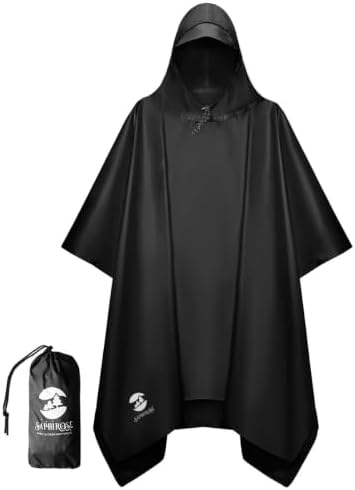

A rain shell can be waterproof on paper and still be the wrong choice for a long, wet hike. The useful question is not simply how high its rating sounds, but whether its construction and fit suit your route, pace, and layers. Start with the conditions you expect, then compare the details that shape comfort over several hours.
Read ratings in context
Some manufacturers publish a hydrostatic-head rating, a lab measure of how much water pressure fabric withstands before water passes through. It can help compare materials when methods and conditions are comparable, but it does not tell you how comfortable a jacket will be while hiking or how well its seams and closures hold up. Look for construction details such as taped seams and a storm flap or water-resistant zipper, and check what the maker says about intended use.
Plan for sweat and layers
Breathability is not a promise that you will stay dry inside: a steep climb, a warm midlayer, and a fully zipped shell can still leave moisture against your base layer. Try the jacket over the layers you expect to wear, with enough room to move without excess fabric bunching under a hip belt. Pit zips or other adjustable vents can help you release heat before you are soaked with sweat.
Compare the right evidence
For a researched comparison, separate published material specifications and features from hands-on observations; do not treat one as the other. A jacket intended for occasional showers may make more sense for a short, sheltered trail than a heavier shell built for prolonged exposure. If this guide includes affiliate links, they may earn the publisher a commission at no extra cost to you. Choose by expected conditions and layer fit, not by a rating in isolation.